Museum in your home
My Role
Creative / Design Direction
Interaction Direction
Content Scale & Monetization
Description
National Portrait Gallery London - AR Curated Museum Experience
National Portrait Gallery London
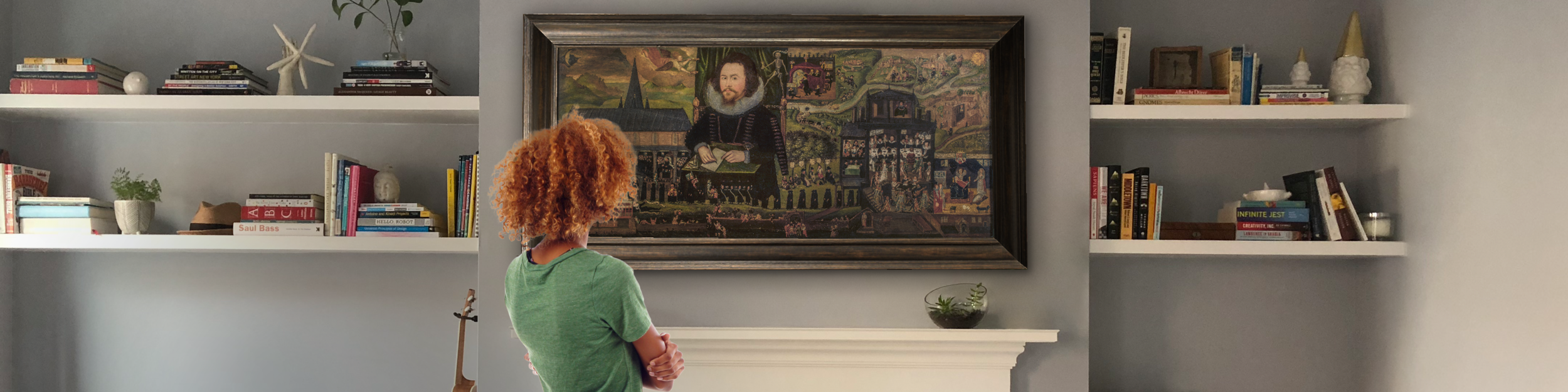
Boulevard came to us with a simple ambition: put the National Portrait Gallery in anyone's hands, anywhere. We built the first app on the App Store to use ARKit's vertical plane detection, and Apple featured it at their 2018 Education Keynote.
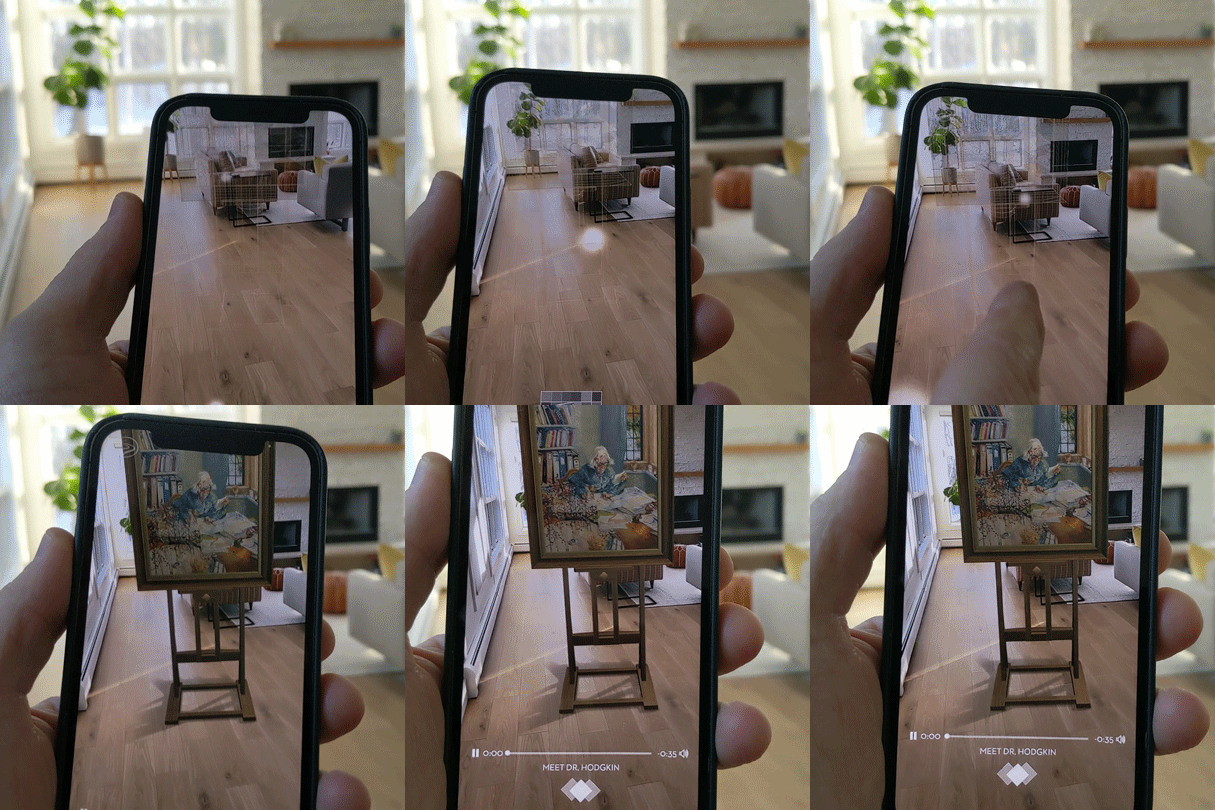
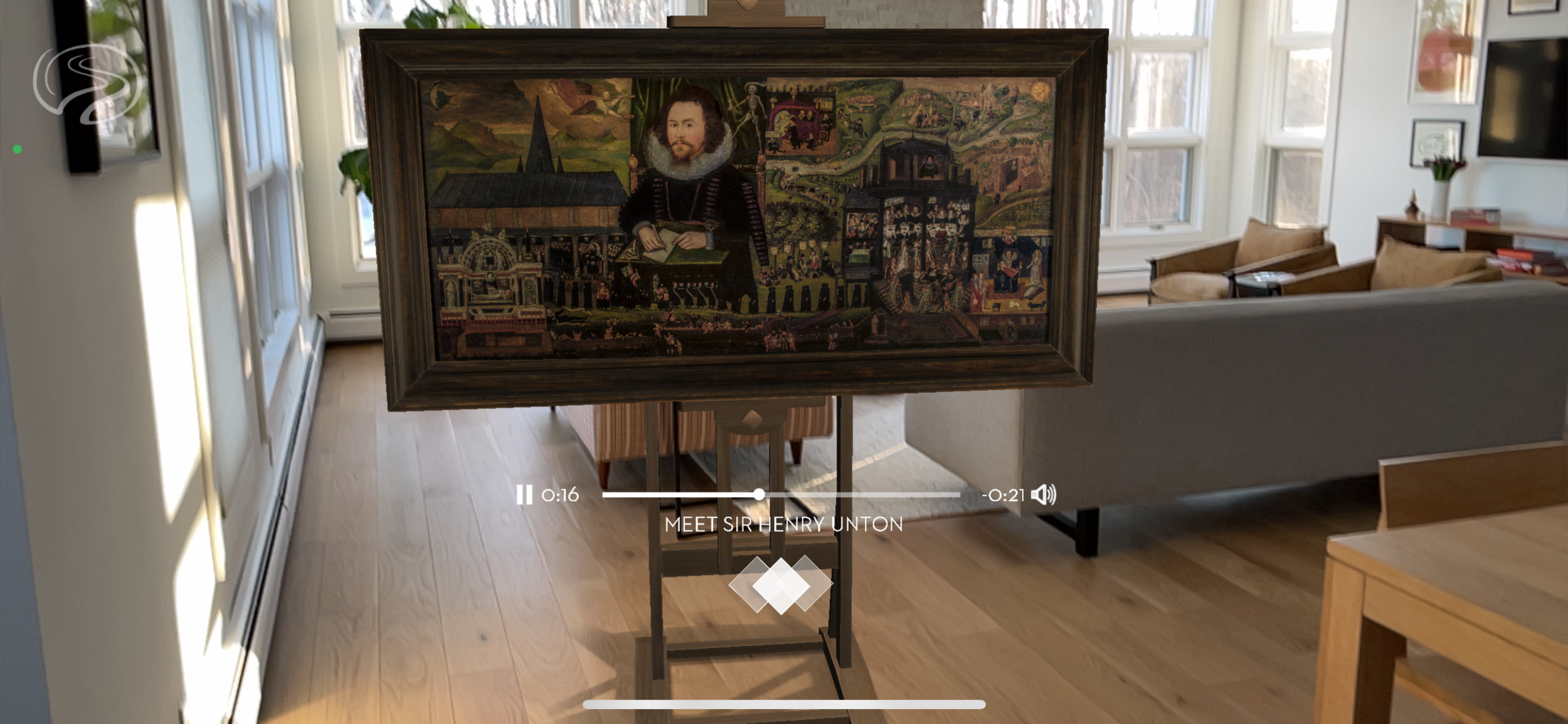
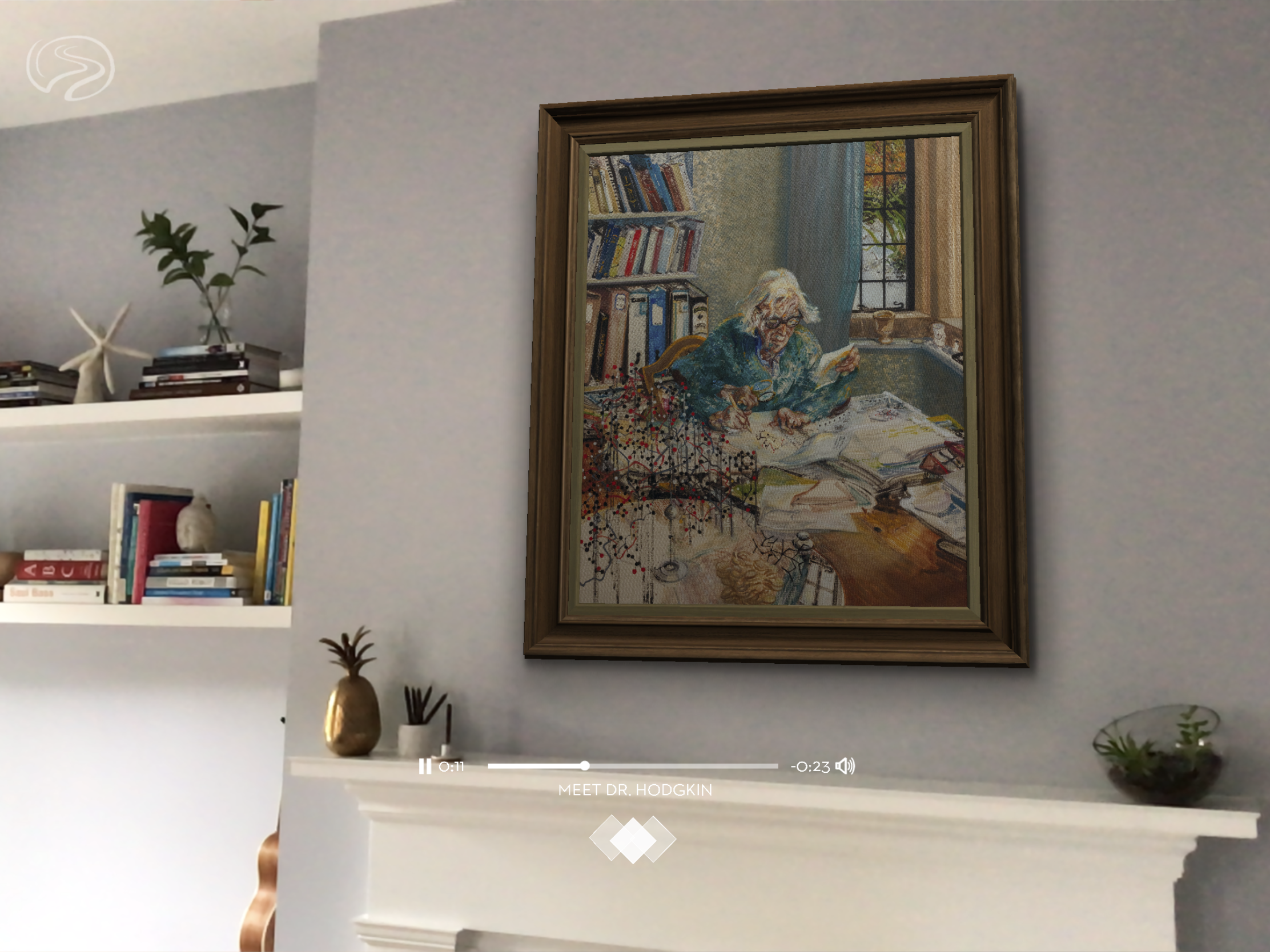
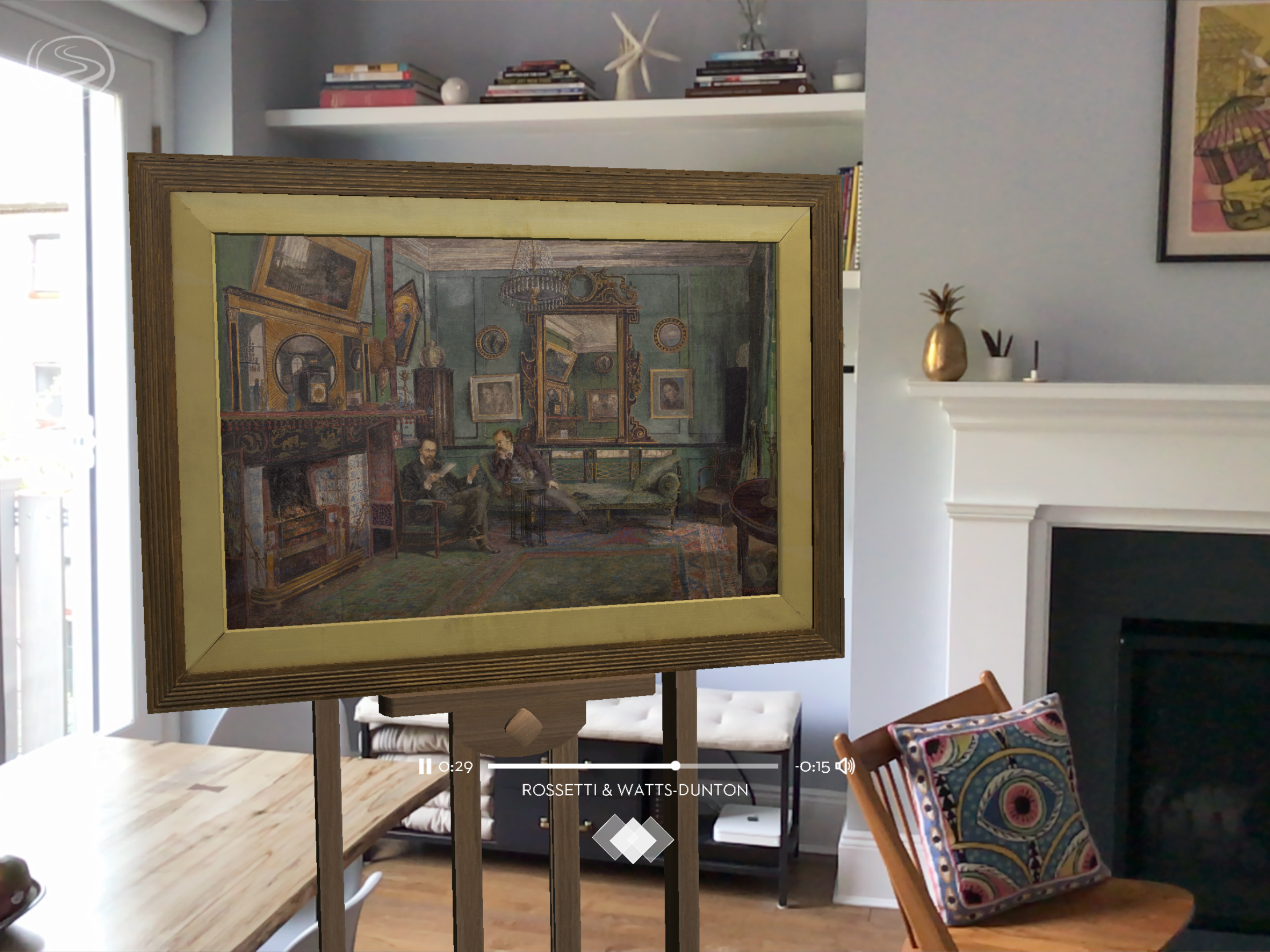
Users place a painting two ways - standing on an easel on the floor in front of them, or mounted directly on their wall. From there, a curator from the Gallery takes over as docent, moving from the artist's broader practice into the specific work, then deep into the canvas itself. Six to eight interaction points inside each painting trigger zoomed and dimensional vignettes, turning narration into active exploration.
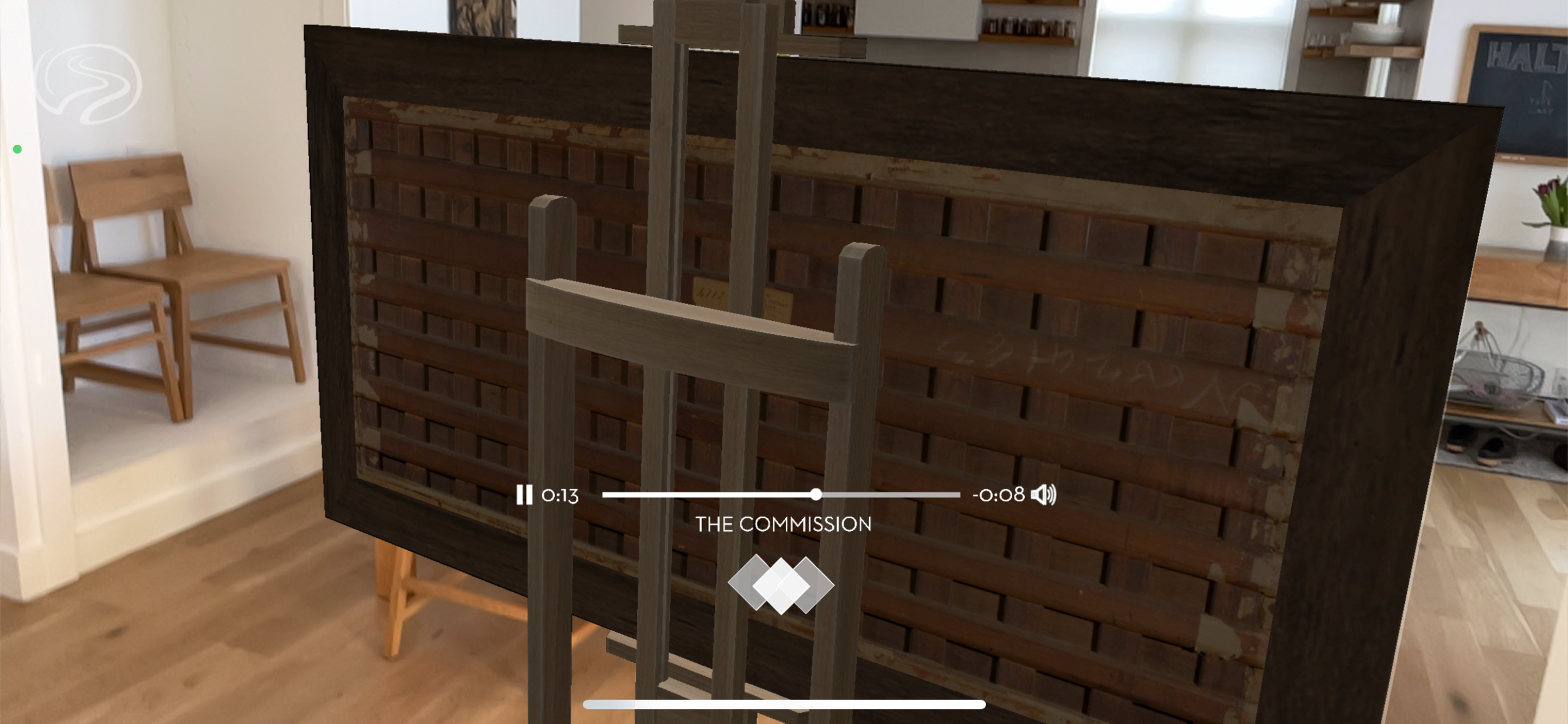
Visual fidelity was non-negotiable. We rendered the paintings at 8K from source imagery supplied by the Gallery and used LiDAR scans of the physical canvases as normal maps, capturing the actual topography of brushwork and built-up paint. Users can walk closer to the work than any museum would ever allow, and the detail holds.
The design discipline throughout was restraint. Tap to interact. No chrome competing with the art. Every curatorial decision was made alongside Boulevard's CEO, director, and art historian to hold the work to museum standards — this wasn't a tech demo dressed up as culture. The underlying architecture was built to scale across institutions and support future monetization, with three works shipping at launch spanning a 400-year arc: Sir Henry Unton, Dante Gabriel Rossetti with Theodore Watts-Dunton, and Dorothy Hodgkin.
What we proved with Boulevard is that AR, handled with discipline, can deliver an encounter with art that's more intimate than standing behind the rope.